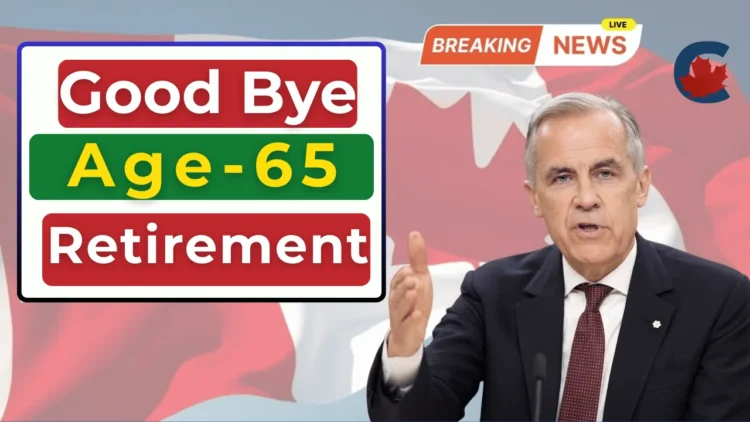
Canada’s retirement system underwent one of its most transformative changes in 2025. For the first time in history, the long-standing age-65 retirement benchmark is no longer mandatory. This policy shift gives seniors far greater control over when and how they retire, allowing them to tailor their financial future around personal needs rather than a fixed government age requirement.
Under the new rules, seniors now have two flexible retirement pathways — early retirement or deferred retirement — each offering different financial outcomes depending on when benefits are claimed.
These updates reflect Canada’s modern approach to aging, recognizing longer life expectancy, shifting workforce expectations, and the growing need for personalized financial planning.
What Ending Mandatory Age-65 Retirement Means for Canadians
For decades, turning 65 symbolized the traditional transition into retirement. Most Canadians began collecting CPP and OAS at that age, and many employers expected workers to stop working around that time.
Key changes under the new rules
-
Seniors are no longer required to retire at 65.
-
Employers cannot enforce age-based retirement policies.
-
Individuals have the freedom to decide when to retire, based on health, finances, and personal goals.
-
CPP and OAS benefits are now fully flexible, allowing earlier or later claiming.
The change marks a historic shift toward personal choice, encouraging seniors to retire on their terms rather than on an arbitrary age.
How the New Rules Affect Workers and Employers
For workers
-
Seniors who want to stay employed can continue working without fear of forced retirement.
-
Those who prefer to retire earlier can do so with clearer guidance on the impact on benefits.
-
Retirement can now be planned around lifestyle, long-term health, income needs, and family considerations.
For employers
-
Age-based retirement policies can no longer be enforced.
-
Workplaces must adapt by offering flexible schedules, part-time roles, or transitional retirement options.
-
Experienced senior employees can continue contributing valuable expertise.
This shift helps Canada manage an aging workforce and supports businesses facing labour shortages.
Two New Retirement Options Introduced in 2025
Canada’s updated retirement framework introduces two main choices: early retirement and deferred retirement. These options allow flexibility while maintaining sustainability in the pension system.
Early Retirement: Claiming Benefits Before 65
Seniors who wish to retire before age 65 now have the option to claim CPP and OAS earlier.
How early retirement works
-
Benefits are available before age 65.
-
Monthly CPP and OAS amounts are reduced to reflect a longer payout period.
-
Ideal for seniors prioritizing quality of life, health needs, or early lifestyle changes.
This option supports seniors who want more free time, who face health challenges, or who prefer reduced work hours leading up to retirement.
Deferred Retirement: Claiming Benefits After 65
Seniors who choose to delay retirement beyond 65 can significantly increase their monthly income.
How deferred retirement works
-
CPP and OAS payments increase for each month benefits are delayed.
-
Working beyond 65 allows seniors to build additional savings.
-
This option rewards long careers and reduces financial pressure later in life.
Deferred retirement is especially beneficial for healthy seniors aiming to maximize long-term financial stability.
Why Canada Modernized Its Retirement System
Several national trends drove the 2025 changes.
1. Canadians are living longer
Life expectancy has increased dramatically, meaning many Canadians will spend 20 to 30 years in retirement. The old age-65 standard no longer aligns with modern lifespans.
2. Workforce shortages and economic pressures
Canada’s aging workforce has created labour gaps. Allowing seniors to work longer helps stabilize the economy.
3. Public pension sustainability
Flexible retirement reduces strain on CPP and OAS by allowing Canadians to delay benefits if they choose.
4. Changing expectations
Today’s seniors want flexibility, freedom, and financial control, not a rigid retirement age.
Impact on CPP and OAS Under the New Rules
Canada Pension Plan (CPP) and Old Age Security (OAS) remain core retirement programs but now operate with more flexible timing.
CPP changes
-
Monthly benefits decrease if taken early.
-
Monthly benefits increase if claimed after 65.
-
Seniors who work past 65 may continue contributing, boosting final pension amounts.
OAS changes
-
Delaying OAS increases monthly payments through bonus credits.
-
Early claiming results in slightly reduced monthly income.
This flexible structure helps Canadians design a retirement income strategy that fits their goals.
Comparing Early, Standard, and Deferred Retirement
| Feature | Early Retirement (Before 65) | Standard Retirement (At 65) | Deferred Retirement (After 65) |
|---|---|---|---|
| Monthly Benefits | Reduced | Standard | Increased |
| CPP Contributions | Stop at retirement | Stop at retirement | Continue if still working |
| Income Security | Lower monthly income long-term | Balanced | Higher monthly payments later |
| Flexibility | High | Moderate | High |
| Ideal For | Those wanting more free time early | Traditional retirees | Seniors wanting maximum income |
This comparison highlights how Canadians can tailor their retirement based on health, finances, and personal priorities.
What Canadians Should Consider Before Choosing a Retirement Path
Health and lifestyle
Individuals in good health may benefit from working longer, while those with physical limitations might choose early retirement.
Financial readiness
Savings, investments, debt, and monthly expenses should play a major role in deciding when to retire.
Employment satisfaction
Passionate workers may wish to continue their careers beyond 65, especially in flexible or part-time roles.
Family commitments
Caregiving responsibilities or personal goals may influence the timing of retirement.
A More Personalized Approach to Retirement in Canada
The end of mandatory retirement at 65 gives Canadians the freedom to design retirement based on personal needs rather than rigid rules. Whether someone chooses early retirement for more leisure or deferred retirement for higher income, the new system offers flexibility, control, and long-term security.
Canada’s 2025 reforms mark a new era of retirement planning, empowering seniors to align their financial future with their evolving goals, health, and lifestyle.
By understanding all options and planning ahead, Canadians can enjoy a retirement that is both fulfilling and financially stable.